|
Legal & Tax Disclosure
ATTORNEY ADVERTISING.
This article is provided for general informational purposes only and does not constitute legal, financial, or tax advice. Reading this content does not create an attorney-client or professional advisory relationship. Laws vary by jurisdiction and are subject to change. You should consult a qualified professional regarding your specific circumstances. |
I recently had a client, Emily, call me in a panic. She’d just received a notice from the court demanding she attend mediation with her brother, David, over their mother’s trust. She’d never been to mediation before, didn’t understand what it involved, and was terrified she’d be pressured into giving up her rightful inheritance. The cost of a misstep here – potentially losing tens of thousands of dollars – was very real. Emily’s situation is common; many beneficiaries are thrown into court-ordered mediation without a clear idea of what to expect.
Here in Corona, and throughout Riverside County, the Court views mediation as a critical first step in resolving trust disputes. It’s rarely optional, and often mandated before a judge will even consider hearing the case. The good news is, mediation is designed to be a less adversarial and far more cost-effective process than a full-blown trial. However, it’s not a free pass, and you absolutely need to be prepared.
What Should I Expect at Mediation?
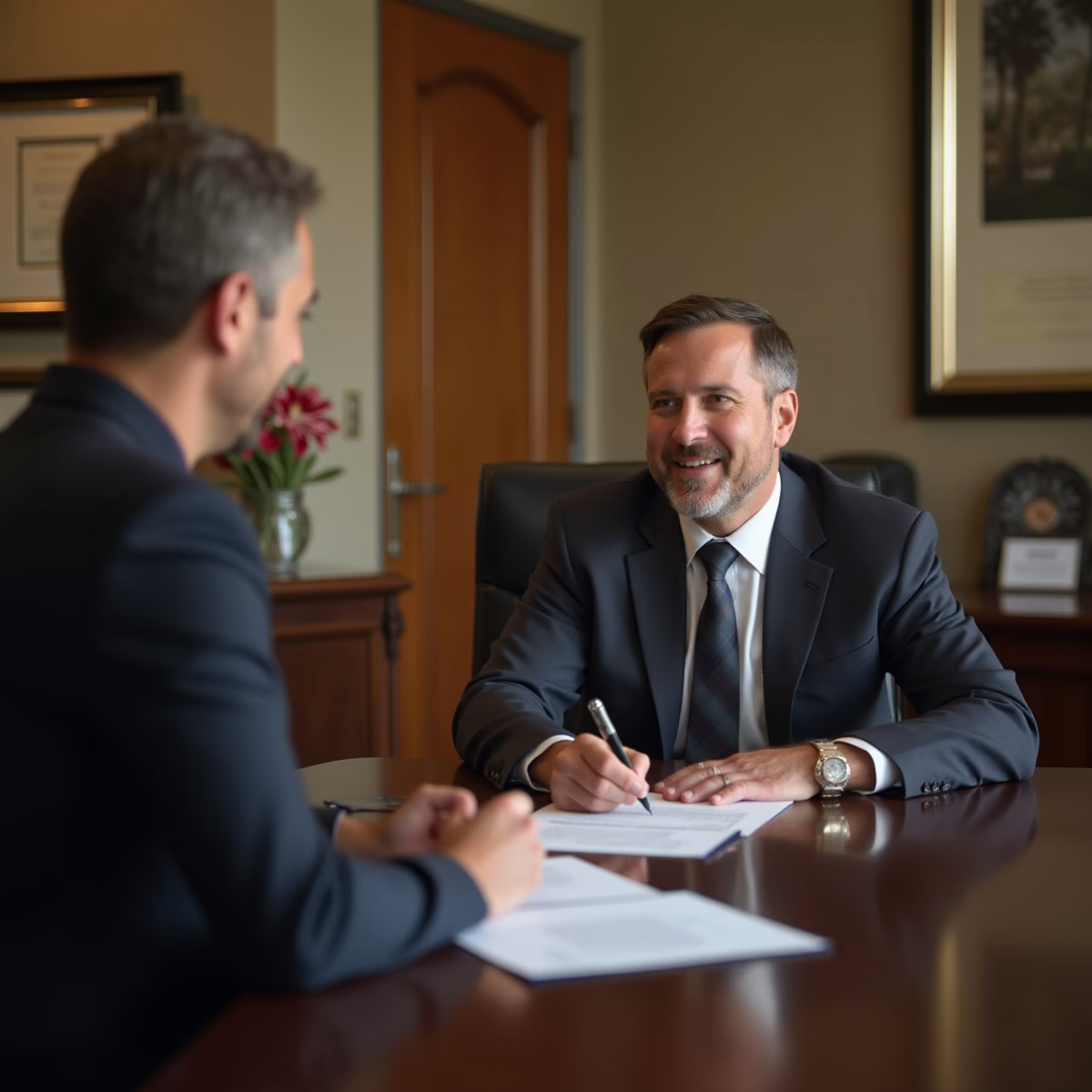
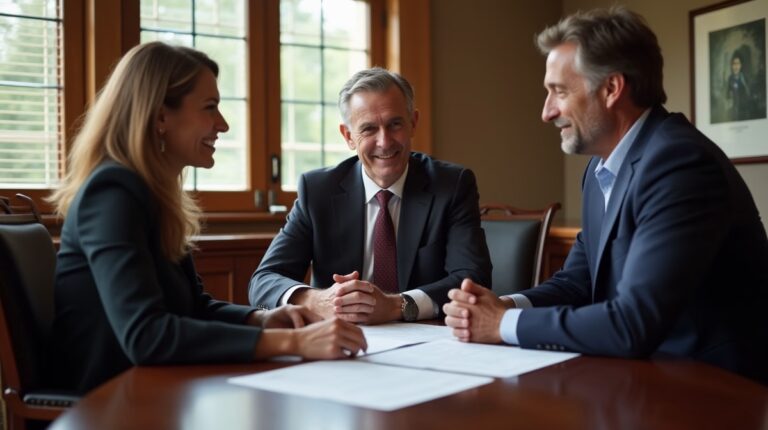
Think of mediation as a facilitated negotiation. A neutral third party – the mediator – will help you and the opposing party (typically the trustee) try to reach a settlement. The mediator doesn’t make decisions for you; their role is to clarify positions, explore potential compromises, and encourage communication. The mediation session usually takes place in a conference room, not a courtroom. It’s less formal than a trial; suits are not required, although a professional appearance is always recommended.
What Happens if We Can’t Reach an Agreement?
If mediation is unsuccessful, the case proceeds to the next stage – typically further settlement conferences with the court, and potentially a trial. Crucially, anything said during mediation is confidential. The mediator cannot call you as a witness, nor can they use your statements against you in court. However, the fact that you attended mediation and the general subject matter of your discussions may be disclosed.
It’s vital to remember that a failed mediation doesn’t mean you’ve lost. It simply means you haven’t yet found a mutually acceptable solution. But failing to prepare adequately for mediation can significantly weaken your position later in litigation. This is where my 35+ years of experience as both an Estate Planning Attorney and a CPA comes into play. As a CPA, I understand the tax implications of trust distributions and can help you evaluate settlement offers with a clarity many attorneys simply can’t provide – things like the step-up in basis, potential capital gains, and proper asset valuation.
One particularly frustrating scenario I see frequently involves beneficiaries who settle too quickly, without fully understanding the long-term tax consequences. They might agree to a lump-sum payment that seems appealing at first glance, but ends up being significantly eroded by taxes. A proper accounting of the trust’s assets, and a clear understanding of the tax ramifications, is critical before any settlement agreement is signed.
How Long Do I Have to Respond to a Mediation Notice?
This is where beneficiaries often stumble. In California, and specifically under Probate Code § 16061.7, once a trustee serves the mandatory § 16061.7 Notification, a strict 120-day clock begins; if a beneficiary fails to file a contest within this window, they are essentially barred from challenging the trust’s validity forever. Don’t ignore the notice. The timeframe is incredibly tight, and missing it can have devastating consequences. The notice will specify a date for your initial response, and it’s crucial to adhere to that deadline.
What If I Suspect Undue Influence?
If you believe the trust was amended due to undue influence (particularly by a caregiver), mediation can be especially complex. In these cases, it’s crucial to gather as much evidence as possible before the mediation. Without specific RUFADAA authority (Probate Code § 870), a trustee or beneficiary may be legally blocked from subpoenaing critical digital evidence (emails, DMs, cloud logs) needed to prove undue influence or incapacity. If a care custodian is named as a beneficiary in a trust amendment drafted during their service, Probate Code § 21380 creates a presumption of fraud, shifting the burden of proof entirely onto them to prove they didn’t coerce the senior.
While mediation is a valuable tool, it’s not a substitute for sound legal advice. If you’ve received a notice to attend court-ordered mediation, don’t hesitate to contact me to discuss your options. Protecting your inheritance requires a proactive and strategic approach.
What determines whether a California trust settlement remains private or erupts into public litigation?
The advantage of a California trust is control and continuity, but this relies entirely on accurate funding and disciplined administration. Without clear asset titles and strict adherence to fiduciary standards, a private trust can quickly become a subject of public litigation over mismanagement, capacity, or undue influence.
| Financial Goal | Solution |
|---|---|
| Transfer Taxes | Use a generation skipping trust. |
| Income Shifting | Setup a GRAT. |
| Real Estate | Leverage a QPRT. |
California trust planning is most effective when the structure is matched to the specific family goal and assets are fully funded into the trust name. When administration is handled with transparency and adherence to the Probate Code, the trust can fulfill its promise of privacy and efficiency.
Verified Authority on California Trust Litigation & Disputes
-
The 120-Day Rule (Probate Code § 16061.7): California Probate Code § 16061.7
The most critical statute in trust litigation. It establishes the 120-day deadline for contesting a trust after the notification is mailed. Missing this deadline usually ends the case before it starts. -
Caregiver Presumption (Probate Code § 21380): California Probate Code § 21380
This statute protects seniors by presuming that gifts to care custodians are the result of fraud or undue influence. It is the primary weapon used to overturn “deathbed amendments” that favor a caregiver over family. -
No-Contest Clauses (Probate Code § 21311): California Probate Code § 21311
Defines the strict limits on enforcing penalty clauses. It explains that a beneficiary can only be disinherited for suing if they lacked “probable cause” to bring the lawsuit. -
Petition for Instructions (Probate Code § 17200): California Probate Code § 17200
The “gateway” statute for most trust litigation. It allows a trustee or beneficiary to petition the court for instructions regarding the internal affairs of the trust, from interpreting terms to removing a trustee. -
Asset Recovery “Backup” (AB 2016): California Probate Code § 13151 (Petition for Succession)
Effective April 1, 2025, this statute provides a streamlined path (Judge’s Order) to resolve disputes over ownership of a primary residence valued up to $750,000, often avoiding costly Heggstad litigation. -
Digital Discovery (RUFADAA): California Probate Code § 870 (RUFADAA)
Essential for modern litigation. This act governs who can access a decedent’s digital communications—often the “smoking gun” evidence in undue influence or capacity trials.
|
Attorney Advertising, Legal Disclosure & Authorship
ATTORNEY ADVERTISING.
This content is provided for general informational and educational purposes only and does not constitute legal, financial, or tax advice. Under the California Rules of Professional Conduct and State Bar advertising regulations, this material may be considered attorney advertising. Reading this content does not create an attorney-client relationship or any professional advisory relationship. Laws vary by jurisdiction and are subject to change, including recent 2026 developments under California’s AB 2016 and evolving federal estate and reporting requirements. You should consult a qualified attorney or advisor regarding your specific circumstances before taking action.
Responsible Attorney:
Steven F. Bliss, California Attorney (Bar No. 147856).
Local Office:
Corona Probate Law765 N Main St 124 Corona, CA 92878 (951) 582-3800
Corona Probate Law is a practice location and trade name used by Steven F. Bliss, Esq., a California-licensed attorney.
About the Author & Legal Review Process
This article was researched and drafted by the Legal Editorial Team of the Law Firm of Steven F. Bliss, Esq.,
a collective of attorneys, legal writers, and paralegals dedicated to translating complex legal concepts into clear, accurate guidance.
Legal Review:
This content was reviewed and approved by Steven F. Bliss, a California-licensed attorney (Bar No. 147856). Mr. Bliss concentrates his practice in estate planning and estate administration, advising clients on proactive planning strategies and representing fiduciaries in probate and trust administration proceedings when formal court involvement becomes necessary.
With more than 35 years of experience in California estate planning and estate administration,
Mr. Bliss focuses on structuring enforceable estate plans, guiding fiduciaries through court-supervised proceedings, resolving creditor and notice issues, and coordinating asset management to support compliant, timely distributions and reduce fiduciary risk. |