|
Legal & Tax Disclosure
ATTORNEY ADVERTISING.
This article is provided for general informational purposes only and does not constitute legal, financial, or tax advice. Reading this content does not create an attorney-client or professional advisory relationship. Laws vary by jurisdiction and are subject to change. You should consult a qualified professional regarding your specific circumstances. |
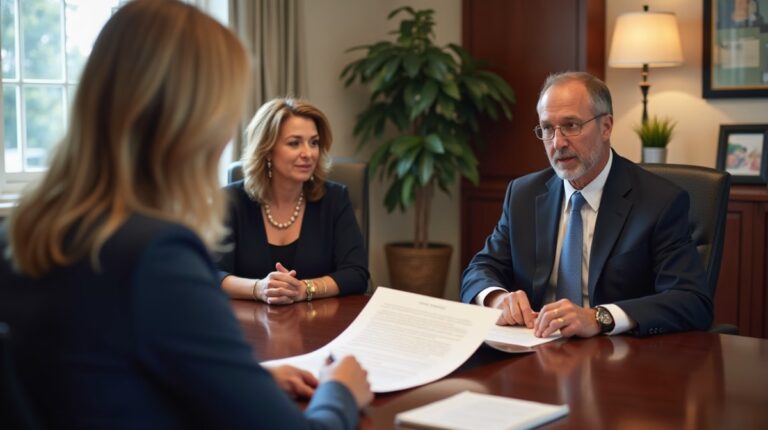
Todd stared at the unsigned codicil, a knot forming in his stomach. He’d tried to update his estate plan himself, adding a new granddaughter, but the form felt…wrong. Now, his wife, Emily, pointed out the glaring error: he’d failed to initial the change, and the witness hadn’t signed in the correct sequence. A simple mistake, he thought, but Emily warned that it could invalidate the entire codicil, potentially costing their estate tens of thousands in legal fees and probate delays.
As an estate planning attorney and CPA with over 35 years of experience here in Corona, California, I see this scenario play out far too often. The temptation to “just tweak” an existing will with a codicil is strong. It seems faster, easier, and cheaper than drafting a new will from scratch. However, that initial savings can quickly evaporate if the codicil is improperly executed, leading to a frustrating and expensive legal battle.
A codicil is, in essence, an amendment to your will. It allows you to make changes – adding or removing beneficiaries, updating executors, modifying distributions – without completely rewriting your estate plan. But it must be executed with the same level of formality as the original will: signed, witnessed, and notarized. Failing to adhere to these requirements can render the codicil invalid, and depending on the severity of the error, it could jeopardize the validity of the entire will.
So, when does it make sense to amend with a codicil, and when is it better to start fresh?
Generally, I advise clients to consider a new will if the changes are substantial. If you’re altering core provisions, such as your primary beneficiaries, the overall distribution scheme, or your choice of executor, a complete rewrite is often the safer route. It minimizes the risk of ambiguity or conflicting provisions. A codicil is more suitable for minor adjustments – a small gift to a new grandchild, a change of address for a trustee, or updating powers of attorney.
One major concern that often gets overlooked is the potential for inconsistencies. If a codicil conflicts with a previous will, or even with other estate planning documents like trusts, it can create confusion and legal challenges. A comprehensive review of your entire estate plan is crucial before attempting any changes, no matter how small. We often uncover unintended consequences that wouldn’t be apparent to someone drafting amendments in isolation.
What Happens if a Codicil is Invalid?

If a codicil is invalidated, assets may force full probate; however, for deaths on or after April 1, 2025, estates under $208,850 (per CPC § 13100) may still qualify for simplified procedures. This limit is set until 2028. Even if a full probate isn’t required, the process can be significantly more complicated and time-consuming. Your heirs could face delays in receiving their inheritance, and the estate may incur substantial legal costs to resolve the issues.
How Do Tax Laws Affect Will Updates?
Tax planning is a critical component of estate planning, and keeping your will current with changes in tax law is paramount. The 2026 ‘tax cliff’ was averted by the OBBBA, which permanently increased the Federal Estate Tax Exemption to $15 million per person effective Jan 1, 2026. Old formula clauses should be reviewed to ensure they don’t over-fund trusts under these new limits. As a CPA, I can help you analyze the tax implications of your estate plan and make adjustments to maximize your tax savings and protect your assets. The step-up in basis rules, for example, can significantly reduce capital gains taxes for your heirs, but only if your will is structured correctly.
What About LLCs and Business Interests?
If you own a limited liability company (LLC) or other business interests, it’s crucial to update your will to reflect any changes in ownership or management. As of March 2025, FinCEN has exempted domestic U.S. LLCs from BOI reporting; however, foreign-registered entities in the U.S. still face mandatory filing requirements and potential penalties. An outdated will could create complications in the transfer of ownership and potentially expose your estate to legal liabilities.
What About Digital Assets and Online Accounts?
A standard codicil often fails to include the specific RUFADAA language (CPC § 870) required to bypass federal privacy laws, potentially leaving your heirs locked out of crypto-wallets and email accounts. Digital assets, such as online accounts, cryptocurrency, and intellectual property, require specific provisions to ensure they are properly managed and distributed.
Are Handwritten Codicils Valid?
Handwritten codicils are valid in California under Probate Code 6111, but only if the signature and material provisions (who gets what) are in your own handwriting. No witnesses or notary are required for this specific format. However, I still strongly advise against using holographic codicils whenever possible. They are more prone to challenges due to questions about authenticity and interpretation.
Ultimately, the decision of whether to make a codicil or a new will depends on the complexity of your situation. I always recommend a thorough review of your entire estate plan with a qualified attorney. A small investment in professional advice now can save your family significant time, money, and heartache in the future.
Understanding this specific rule is helpful, but it is ultimately the strength of your underlying Will that protects your legacy.
Too often, families resolve one specific issue but leave their broader estate vulnerable to litigation due to poor Will drafting.
Understanding the following standards is critical to ensuring your wishes are honored in probate court:
What does a California probate court look for when interpreting testamentary intent?
In California, a last will and testament is reviewed under probate standards that focus on intent, capacity, and execution. Clear drafting reduces ambiguity, limits misinterpretation, and helps families avoid unnecessary conflict during estate administration.
- Clarity: Avoid vague terms that trigger probate disputes.
- Health: verify legal capacity at signing.
- Omissions: check for codicils often.
For California residents, understanding how intent, authority, and compliance interact is one of the most effective ways to protect family harmony and estate integrity. A will that anticipates probate scrutiny is far more likely to be honored as written and far less likely to become the source of unnecessary conflict.
Primary Legal Authorities Governing Probate and Estate Administration
-
Probate & Local Court Rules:
Riverside Superior Court – Probate Division
Official Riverside County probate rules (Title 7), filing procedures, examiner notes, and specific protocols for remote appearances and non-evidentiary hearings. -
Attorney Licensing & Ethical Standards:
State Bar of California
The authoritative source to verify attorney license status, disciplinary history, and current ethical rules governing California attorneys and client trust accounts. -
Judicial Council Forms & Self-Help:
California Courts – Wills, Estates, and Probate
State-issued probate forms and guidance, including small estate procedures, primary residence transfers under AB 2016, and executor responsibilities. -
Federal Estate & Gift Tax Law:
IRS Estate Tax Guidelines
Federal rules governing estate and gift tax filing, including the permanent 2026 OBBBA exemption of $15 million per individual.
|
Attorney Advertising, Legal Disclosure & Authorship
ATTORNEY ADVERTISING.
This content is provided for general informational and educational purposes only and does not constitute legal, financial, or tax advice. Under the California Rules of Professional Conduct and State Bar advertising regulations, this material may be considered attorney advertising. Reading this content does not create an attorney-client relationship or any professional advisory relationship. Laws vary by jurisdiction and are subject to change, including recent 2026 developments under California’s AB 2016 and evolving federal estate and reporting requirements. You should consult a qualified attorney or advisor regarding your specific circumstances before taking action.
Responsible Attorney:
Steven F. Bliss, California Attorney (Bar No. 147856).
Local Office:
Corona Probate Law765 N Main St 124 Corona, CA 92878 (951) 582-3800
Corona Probate Law is a practice location and trade name used by Steven F. Bliss, Esq., a California-licensed attorney.
About the Author & Legal Review Process
This article was researched and drafted by the Legal Editorial Team of the Law Firm of Steven F. Bliss, Esq.,
a collective of attorneys, legal writers, and paralegals dedicated to translating complex legal concepts into clear, accurate guidance.
Legal Review:
This content was reviewed and approved by Steven F. Bliss, a California-licensed attorney (Bar No. 147856). Mr. Bliss concentrates his practice in estate planning and estate administration, advising clients on proactive planning strategies and representing fiduciaries in probate and trust administration proceedings when formal court involvement becomes necessary.
With more than 35 years of experience in California estate planning and estate administration,
Mr. Bliss focuses on structuring enforceable estate plans, guiding fiduciaries through court-supervised proceedings, resolving creditor and notice issues, and coordinating asset management to support compliant, timely distributions and reduce fiduciary risk. |