Legal & Tax Disclosure
ATTORNEY ADVERTISING. This article is provided for general informational purposes only and does not constitute legal, financial, or tax advice. Reading this content does not create an attorney-client or professional advisory relationship. Laws vary by jurisdiction and are subject to change. You should consult a qualified professional regarding your specific circumstances. |
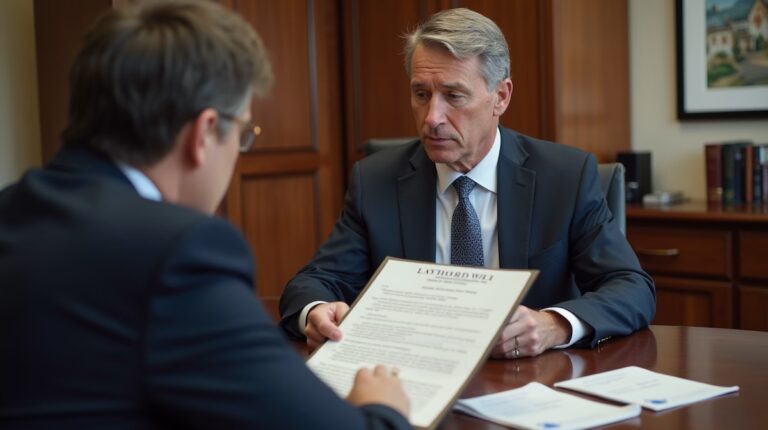
Kenneth had meticulously drafted his Irrevocable Life Insurance Trust (ILIT) years ago, believing he’d covered every contingency. He’d funded it appropriately, named a capable trustee, and thought he was securely shielding his $5 million policy from estate taxes. Then, his life circumstances changed. He wanted to empower his daughter, Emily, to oversee certain aspects of the trust without becoming the trustee herself. He wanted to add a “trust protector” – someone to fine-tune the administrative details, potentially change beneficiaries under limited circumstances, and generally provide a layer of flexibility. But, Kenneth soon discovered that amending an ILIT isn’t as straightforward as updating a simple will, and a poorly executed change could unravel years of careful planning, costing his estate a significant portion of the intended benefit.
The short answer is yes, a trust protector can generally be added to an ILIT after it’s established, but it requires careful consideration and precise drafting to avoid unintended consequences. The key is to understand that the ILIT’s original terms, and the grantor’s role in those terms, dictate the permissible scope of any amendments. As an estate planning attorney and CPA with over 35 years of experience, I’ve seen countless situations where clients attempt to modify ILITs without fully grasping the ramifications.
How Does Adding a Trust Protector Impact the ILIT’s Irrevocability?

An ILIT’s ‘irrevocability’ is its core protective feature. Once the trust is established, the grantor generally relinquishes control of the assets within it. Introducing a trust protector doesn’t automatically negate that irrevocability, but it can if not handled correctly. Any amendment must be consistent with the original intent of the trust and cannot grant the grantor (or someone acting at the grantor’s direction) significant control over the trust assets. This is where Incidents of Ownership (IRC § 2042) comes into play. If the trust protector’s powers are deemed to be ‘incidents of ownership’ – meaning the grantor retains too much control – the death benefit could be pulled back into the grantor’s taxable estate.
What Powers Should a Trust Protector Have?
A well-drafted trust protector provision clearly defines the protector’s powers. Common powers include:
- Trustee Removal/Replacement: The power to remove and replace trustees if they are underperforming or no longer suitable.
- Administrative Changes: Modifying non-essential administrative provisions, such as the trust’s location or the method of distributing income.
- Limited Beneficiary Changes: Under strictly defined circumstances, the power to change beneficiaries (often related to death or divorce).
- Settlement of Disputes: Resolving disagreements among beneficiaries or trustees.
It’s critical that the trust protector’s powers are limited and do not allow them to directly control the disposition of trust assets or exercise discretion over distributions.
The Amendment Process: Utilizing a Trust Certificate
Adding a trust protector usually involves executing a formal trust amendment, often drafted as a ‘trust certificate.’ This document explicitly outlines the protector’s powers and the circumstances under which they can be exercised. Crucially, the amendment must be adopted by the trustee, and ideally, with the consent of all beneficiaries. It’s also wise to consult with a CPA at this stage. As a CPA, I can highlight potential gift tax implications if the addition of the protector is deemed to be a transfer of beneficial interest.
Protecting Against Future Tax Law Changes
The estate tax landscape is constantly evolving. While the OBBBA permanently increased the federal estate tax exemption to $15 million per person, life insurance death benefits can easily push an estate over that threshold. A trust protector’s power to adapt the trust to changing tax laws can be incredibly valuable. For example, they could be authorized to make changes to the trust’s distribution provisions if the tax laws become less favorable.
What Happens if Assets Were Originally Left Outside the ILIT?
If cash assets intended for the ILIT were inadvertently left in the grantor’s name, it’s crucial to address this situation proactively. For deaths on or after April 1, 2025, if the assets are valued up to $750,000, they may qualify for a “Petition” under AB 2016 (Probate Code § 13151). This Petition allows a court to order the transfer of those assets into the ILIT, retroactively correcting the omission. However, a Small Estate Affidavit is not appropriate for this purpose – a formal court order is required.
Digital Access and RUFADAA Considerations
In today’s digital world, gaining access to online policy portals is essential for effective trust administration. Without specific RUFADAA language (Probate Code § 870) in the ILIT, service providers and insurers can legally block your trustee (and potentially your trust protector) from accessing these vital platforms to manage premiums or file claims. This can create significant delays and complications, so ensure your ILIT includes comprehensive digital access provisions.
What failures trigger court intervention and contests in California trust administration?
California trusts are designed to bypass probate and maintain privacy, yet they often fail when assets are not properly funded, trustee duties are ignored, or ambiguous terms trigger disputes. Even with a signed trust document, families can face court battles if the “operations manual” of the trust isn’t followed strictly under the Probate Code.
| Legal Foundation | Why It Matters |
|---|---|
| Law | Follow the California Probate Code for trusts. |
| Structure | Review revocable living trusts. |
| Parties | Identify key participants in trusts. |
A stable trust administration relies on the trustee’s ability to balance investment duties, beneficiary communication, and tax compliance. When these elements are managed proactively, families can avoid the emotional and financial drain of litigation.
Verified Authority on ILIT Administration & Tax Compliance
-
The “3-Year Rule” (IRC § 2035): Internal Revenue Code § 2035
The critical statute warning that transferring an existing policy to an ILIT triggers a 3-year waiting period. If the grantor dies within this window, the insurance proceeds are pulled back into the taxable estate. -
Incidents of Ownership (IRC § 2042): Internal Revenue Code § 2042
This code section defines why a grantor cannot be the trustee. Retaining the power to change beneficiaries or borrow against the policy forces the death benefit into the gross estate for tax purposes. -
Annual Gift Exclusion (Crummey Powers): IRS Gift Tax Guidelines (IRC § 2503)
The legal basis for “Crummey Letters.” Without these withdrawal notices, money contributed to the ILIT to pay premiums does not qualify for the annual gift tax exclusion and eats into the lifetime exemption. -
Estate Tax Exemption (OBBBA): IRS Estate Tax Guidelines
Reflects the OBBBA permanent increase to a $15 million per person exemption (effective Jan 1, 2026). ILITs remain the primary vehicle for ensuring life insurance proceeds sit on top of this exemption rather than consuming it. -
Missed Asset Recovery (AB 2016): California Probate Code § 13151 (Petition for Succession)
If “unspent premiums” or refund checks intended for the ILIT were accidentally left in the grantor’s name, this statute (effective April 1, 2025) allows for a “Petition for Succession” for assets up to $750,000, bypassing full probate. -
Digital Policy Access (RUFADAA): California Probate Code § 870 (RUFADAA)
Without RUFADAA powers, a trustee may be unable to access online insurance dashboards to verify premium payments, potentially causing the policy to lapse.
Attorney Advertising, Legal Disclosure & Authorship
ATTORNEY ADVERTISING. This content is provided for general informational and educational purposes only and does not constitute legal, financial, or tax advice. Under the California Rules of Professional Conduct and State Bar advertising regulations, this material may be considered attorney advertising. Reading this content does not create an attorney-client relationship or any professional advisory relationship. Laws vary by jurisdiction and are subject to change, including recent 2026 developments under California’s AB 2016 and evolving federal estate and reporting requirements. You should consult a qualified attorney or advisor regarding your specific circumstances before taking action.
Responsible Attorney: Steven F. Bliss, California Attorney (Bar No. 147856).
Local Office:
Corona Probate Law765 N Main St 124 Corona, CA 92878 (951) 582-3800
Corona Probate Law is a practice location and trade name used by Steven F. Bliss, Esq., a California-licensed attorney.
About the Author & Legal Review Process
This article was researched and drafted by the Legal Editorial Team of the Law Firm of Steven F. Bliss, Esq., a collective of attorneys, legal writers, and paralegals dedicated to translating complex legal concepts into clear, accurate guidance.
Legal Review: This content was reviewed and approved by Steven F. Bliss, a California-licensed attorney (Bar No. 147856). Mr. Bliss concentrates his practice in estate planning and estate administration, advising clients on proactive planning strategies and representing fiduciaries in probate and trust administration proceedings when formal court involvement becomes necessary.
With more than 35 years of experience in California estate planning and estate administration, Mr. Bliss focuses on structuring enforceable estate plans, guiding fiduciaries through court-supervised proceedings, resolving creditor and notice issues, and coordinating asset management to support compliant, timely distributions and reduce fiduciary risk. |