Legal & Tax Disclosure
ATTORNEY ADVERTISING. This article is provided for general informational purposes only and does not constitute legal, financial, or tax advice. Reading this content does not create an attorney-client or professional advisory relationship. Laws vary by jurisdiction and are subject to change. You should consult a qualified professional regarding your specific circumstances. |
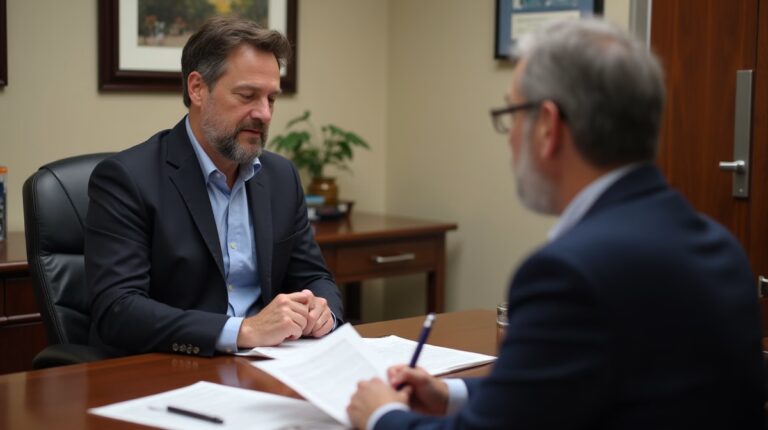
Todd came to my office last week, devastated. He’d carefully crafted his will five years ago, meticulously listing every antique, collectible, and cherished family heirloom he wanted to pass down to specific relatives. His mother had recently gifted him a rare first-edition book worth $30,000, and now his will didn’t reflect this new acquisition. Worse, he’d made a handwritten note—a codicil, he believed—adding the book to his daughter’s share. But the note wasn’t properly witnessed, rendering it invalid. The potential cost? Full probate, significant legal fees, and a family dispute over a beloved book.
Can I Simply Add to My Existing Will?

The short answer is, sometimes. A codicil is an amendment to your existing will. It should follow the same formal requirements as the original will: signature, witness attestations, and adherence to California law. However, even a properly executed codicil isn’t foolproof. Minor changes – like updating an executor or guardian – are generally safe. But substantial revisions, particularly concerning beneficiary designations or significant assets, require careful consideration. I’ve seen too many well-intentioned codicils fail due to technical errors, sending estates into costly and time-consuming probate.
What Happens If My Codicil Is Invalid?
If a codicil is invalidated, assets may force full probate; however, for deaths on or after April 1, 2025, estates under $208,850 (per CPC § 13100) may still qualify for simplified procedures. This limit is set until 2028. This means the court will oversee the distribution of your property according to the laws of intestate succession, which may not align with your wishes. Your family could end up in court, fighting over assets you intended to be clearly allocated. Furthermore, the fees associated with probate can quickly erode your estate’s value. A poorly drafted codicil, or one that doesn’t comply with California’s strict rules, can negate your efforts to control the distribution of your wealth.
How Do I Update My Will to Include New Assets?
The most secure approach is usually to create a new will entirely. This allows for a comprehensive review of your entire estate plan, ensuring consistency and avoiding conflicts. It also provides an opportunity to address any changes in your family situation, beneficiary preferences, or tax laws. For example, many older wills contain formula clauses tied to the Federal Estate Tax Exemption. The 2026 ‘tax cliff’ was averted by the OBBBA, which permanently increased the Federal Estate Tax Exemption to $15 million per person effective Jan 1, 2026. Old formula clauses should be reviewed to ensure they don’t over-fund trusts under these new limits.
What About Digital Assets and Online Accounts?
A standard codicil often fails to include the specific RUFADAA language (CPC § 870) required to bypass federal privacy laws, potentially leaving your heirs locked out of crypto-wallets and email accounts. These digital assets are often significant in value and require specific provisions in your will to ensure access. Simply listing the account names and passwords isn’t sufficient; you need to address the terms of service for each platform and grant the appropriate legal authority to your executor.
Can I Make Changes to My Business Interests in My Will?
Updating your will to reflect changes in your business interests—such as the formation of a new LLC or a transfer of ownership—is critical. As of March 2025, FinCEN has exempted domestic U.S. LLCs from BOI reporting; however, foreign-registered entities in the U.S. still face mandatory filing requirements and potential penalties. Failure to do so can lead to significant tax implications and potential legal liabilities. A comprehensive review of your business structure and its impact on your estate plan is essential.
After 35+ years practicing as both an Estate Planning Attorney and a CPA, I’ve seen firsthand how easily a seemingly minor oversight can derail even the most carefully constructed estate plan. The benefit of having a CPA on board is that we can proactively address step-up in basis considerations, minimize capital gains taxes, and accurately value complex assets. Don’t let a technical error cost your family dearly.
Strategic planning for this specific asset is important, but it must be supported by a Will that can withstand California judicial review.
Too often, families resolve one specific issue but leave their broader estate vulnerable to litigation due to poor Will drafting.
Understanding the following standards is critical to ensuring your wishes are honored in probate court:
What standards do California judges use to determine a will’s true meaning?
In California, a last will and testament is reviewed under probate standards that focus on intent, capacity, and execution. Clear drafting reduces ambiguity, limits misinterpretation, and helps families avoid unnecessary conflict during estate administration.
| End Game | Consideration |
|---|---|
| Tax Impact | Address debts and taxes. |
| Payout | Manage assets. |
| Family | Protect beneficiaries. |
When a will is drafted with California probate review in mind, it becomes a stabilizing roadmap rather than a source of conflict. Clear intent, proper authority, and compliant execution protect both families and estates.
Primary Legal Authorities Governing Probate and Estate Administration
-
Probate & Local Court Rules:
Riverside Superior Court – Probate Division
Official Riverside County probate rules (Title 7), filing procedures, examiner notes, and specific protocols for remote appearances and non-evidentiary hearings. -
Attorney Licensing & Ethical Standards:
State Bar of California
The authoritative source to verify attorney license status, disciplinary history, and current ethical rules governing California attorneys and client trust accounts. -
Judicial Council Forms & Self-Help:
California Courts – Wills, Estates, and Probate
State-issued probate forms and guidance, including small estate procedures, primary residence transfers under AB 2016, and executor responsibilities. -
Federal Estate & Gift Tax Law:
IRS Estate Tax Guidelines
Federal rules governing estate and gift tax filing, including the permanent 2026 OBBBA exemption of $15 million per individual.
Attorney Advertising, Legal Disclosure & Authorship
ATTORNEY ADVERTISING. This content is provided for general informational and educational purposes only and does not constitute legal, financial, or tax advice. Under the California Rules of Professional Conduct and State Bar advertising regulations, this material may be considered attorney advertising. Reading this content does not create an attorney-client relationship or any professional advisory relationship. Laws vary by jurisdiction and are subject to change, including recent 2026 developments under California’s AB 2016 and evolving federal estate and reporting requirements. You should consult a qualified attorney or advisor regarding your specific circumstances before taking action.
Responsible Attorney: Steven F. Bliss, California Attorney (Bar No. 147856).
Local Office:
Corona Probate Law765 N Main St 124 Corona, CA 92878 (951) 582-3800
Corona Probate Law is a practice location and trade name used by Steven F. Bliss, Esq., a California-licensed attorney.
About the Author & Legal Review Process
This article was researched and drafted by the Legal Editorial Team of the Law Firm of Steven F. Bliss, Esq., a collective of attorneys, legal writers, and paralegals dedicated to translating complex legal concepts into clear, accurate guidance.
Legal Review: This content was reviewed and approved by Steven F. Bliss, a California-licensed attorney (Bar No. 147856). Mr. Bliss concentrates his practice in estate planning and estate administration, advising clients on proactive planning strategies and representing fiduciaries in probate and trust administration proceedings when formal court involvement becomes necessary.
With more than 35 years of experience in California estate planning and estate administration, Mr. Bliss focuses on structuring enforceable estate plans, guiding fiduciaries through court-supervised proceedings, resolving creditor and notice issues, and coordinating asset management to support compliant, timely distributions and reduce fiduciary risk. |